Felix Bennett · 1 September 2026
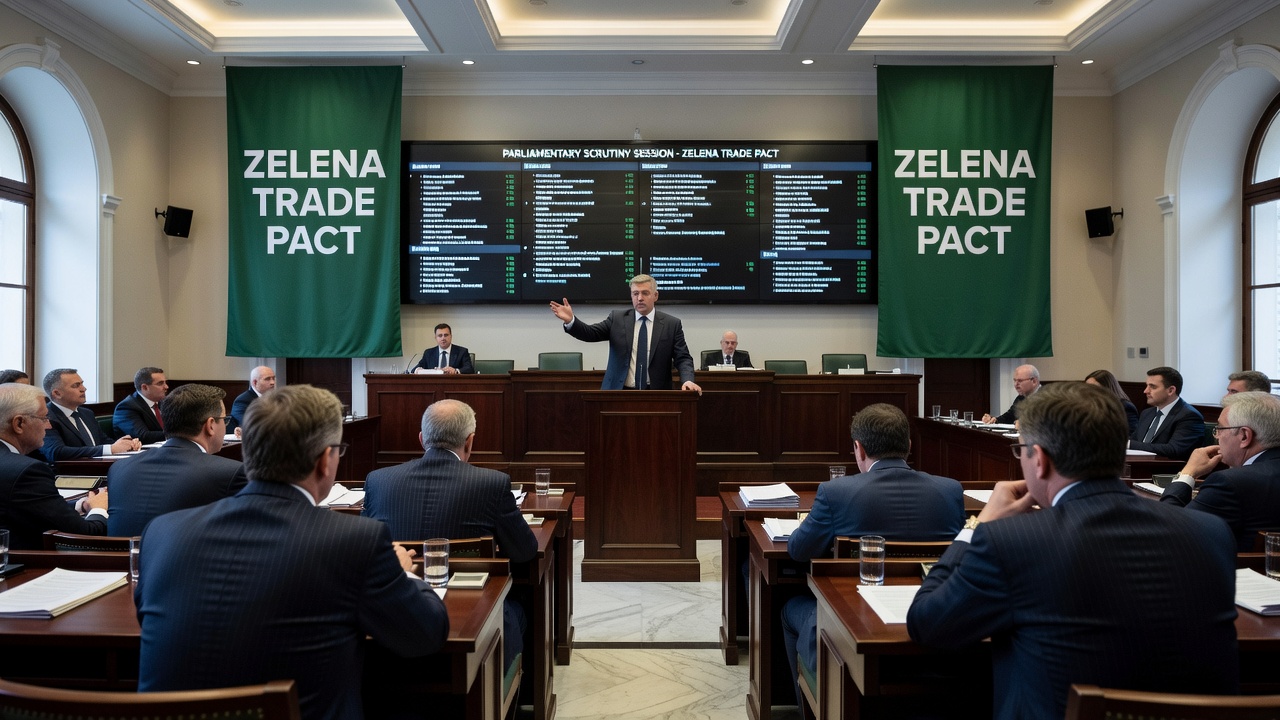
Zelena's recently concluded trade pact with neighboring countries has come under intense examination in the national parliament this week. Lawmakers from various parties are questioning the terms of the agreement, which aims to reduce tariffs on agricultural and manufacturing goods over the next five years. The pact was signed last month following months of negotiations.
Economic Implications of the Pact
The pact is expected to increase exports by 15 percent according to government estimates. Key sectors include renewable energy equipment and processed foods. However, critics argue that the agreement lacks sufficient safeguards for local industries. Small businesses in the textile sector have expressed concerns about increased competition from imports. Economists note that while overall GDP growth could accelerate, income inequality might widen without targeted support programs. The finance ministry has proposed adjustments to mitigate these risks including subsidies for modernization.
International observers have praised the pact for its focus on sustainable development clauses. These include commitments to reduce carbon emissions in trade logistics by 20 percent within a decade. Zelena's trade minister emphasized that the agreement aligns with global standards set by the World Trade Organization and promotes fair labor practices across borders.
Parliamentary Scrutiny and Opposition Views
During the session, opposition leaders highlighted potential job losses in vulnerable sectors such as agriculture and light manufacturing. They called for a comprehensive impact assessment before ratification to ensure long-term benefits for citizens. The ruling coalition defended the pact, stating that it includes transition funds for affected workers and training programs. Debates are scheduled to continue for another two weeks, with possible amendments on the table regarding environmental protections. Public hearings have been announced to gather input from industry representatives and civil society groups concerned about market access.
Analysts suggest that the outcome could influence Zelena's future trade negotiations with larger economic blocs in Europe and Asia. The scrutiny reflects broader debates on globalization and national sovereignty in the region amid rising protectionist sentiments. Stakeholders await the final vote with anticipation, as the pact's implementation hinges on parliamentary approval and could reshape economic relations for years to come.