Felix Bennett · 1 September 2026
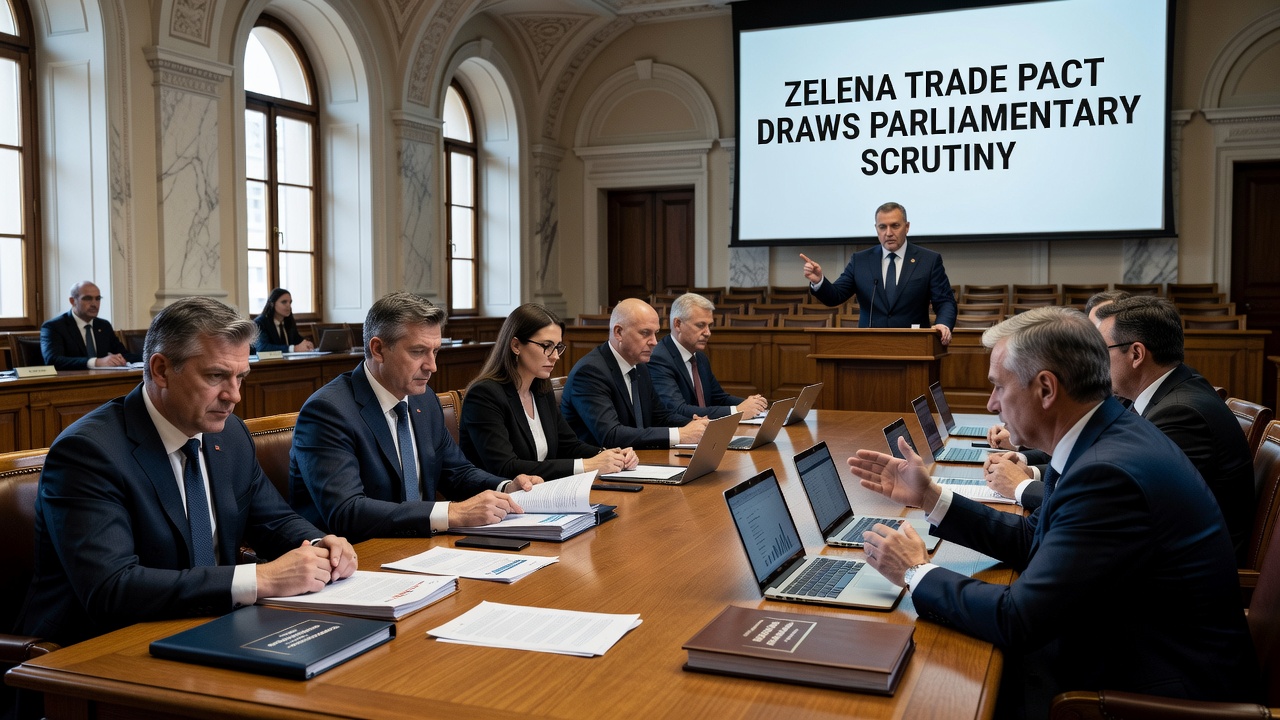
Zelena's recently signed trade pact with several regional partners is now under intense examination by the national parliament. The agreement, aimed at reducing tariffs and enhancing economic cooperation, has sparked debates among lawmakers regarding its potential long-term effects on domestic industries and overall economic sovereignty.
Economic Implications of the Agreement
Proponents of the pact argue that it will open new markets for Zelena's agricultural and manufacturing sectors. Estimates suggest an increase in exports by up to 15 percent over the next five years. However, critics point to possible job losses in protected industries that may face increased competition from foreign goods. The pact includes provisions for labor standards and environmental protections, which some members of parliament believe are insufficiently enforced. Additional analysis indicates potential benefits for technology transfers and innovation partnerships.
During initial readings, experts from the trade ministry presented data showing benefits to small and medium enterprises. Yet, concerns about supply chain vulnerabilities and reliance on external partners have been raised repeatedly in committee sessions. Lawmakers are also examining the fiscal impacts, including changes to customs revenues.
Political Reactions and Future Outlook
Opposition parties have called for a full review and possible renegotiation of key clauses. They emphasize the need to protect national sovereignty in trade matters. Meanwhile, government officials maintain that the pact aligns with Zelena's strategic interests in fostering regional stability and growth. Public consultations are scheduled to gather input from stakeholders before the final vote.
Analysts suggest that the outcome of these parliamentary discussions could influence Zelena's foreign policy direction in the coming years. The scrutiny highlights the balance between economic integration and domestic priorities that many nations face in today's globalized economy. Additional hearings are expected to continue over the next month, with a decision anticipated by the end of the quarter. Further discussions may involve international observers to ensure transparency.